

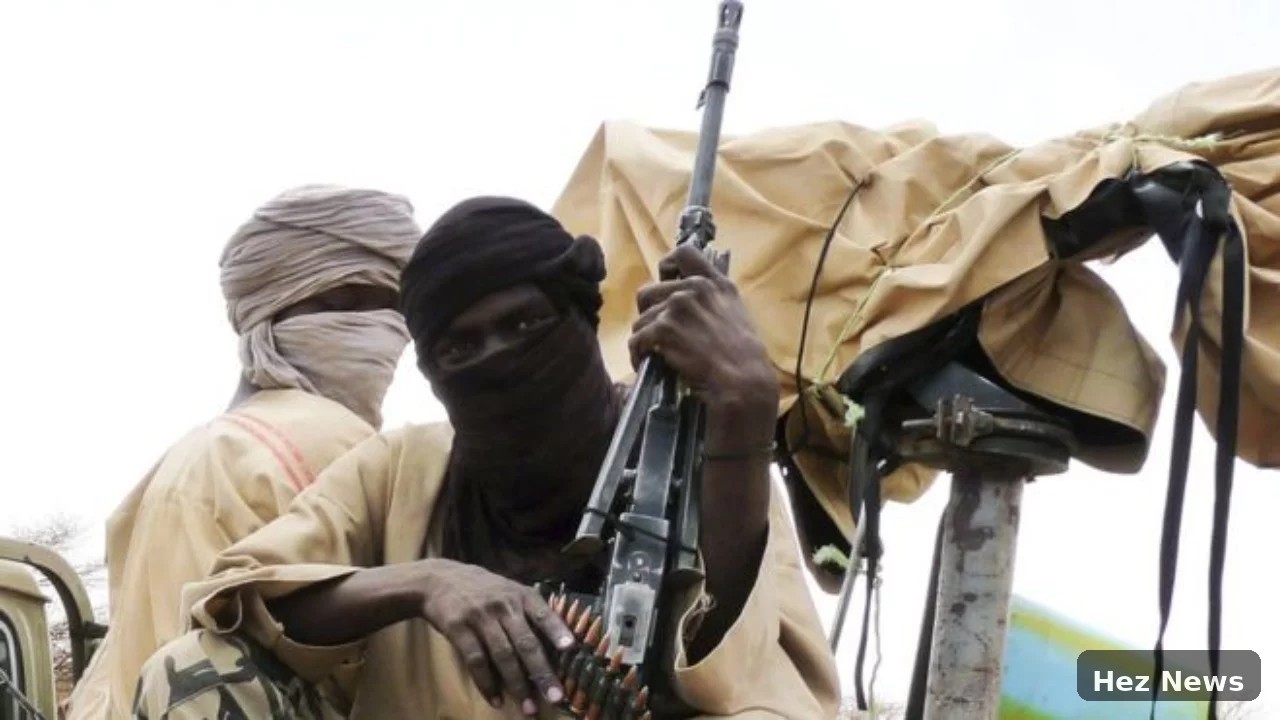
Gwon-Ajang Village, Plateau State, has once again become the epicenter of violence as suspected Fulani bandits launched a devastating attack, resulting in the tragic deaths of at least eight residents and injuring over 15 others.
The incident occurred during the early hours of the morning when the assailants stormed the village, firing indiscriminately and causing widespread panic among the locals. Witnesses reported that the bandits descended on the community, targeting homes and individuals without provocation.
Community in Mourning
The attack has left the residents of Gwon-Ajang in deep mourning, with families grappling with the loss of their loved ones. Local leaders have condemned the violence, calling for immediate action from security agencies to restore peace and prevent further attacks.
One community leader, who wished to remain anonymous, expressed his frustration, stating, “This is not the first time our village has been attacked. We have lost count of the number of lives taken and properties destroyed. We need urgent intervention from the government to protect us.”
A Growing Concern
The pervasive insecurity in Plateau State has raised alarm among residents and human rights organizations. Incidents of violence attributed to banditry and ethnic conflicts have surged in recent months, prompting calls for enhanced security measures and community vigilance.
In response to the escalating violence, the state government has promised to bolster security forces in affected areas. However, many residents remain skeptical about the effectiveness of these measures, citing previous promises that have gone unfulfilled.
As the community begins to bury its dead, the question remains: what will it take for the government to take decisive action against the rampant insecurity affecting the region?
The government is urged to not only increase patrols but also engage with community leaders to address the root causes of these conflicts, which often stem from longstanding grievances and competition over resources.
Overall, the tragic events in Gwon-Ajang serve as a stark reminder of the challenges facing many rural communities in Nigeria today, as they navigate the delicate balance between survival and safety.





Leave a Comment