

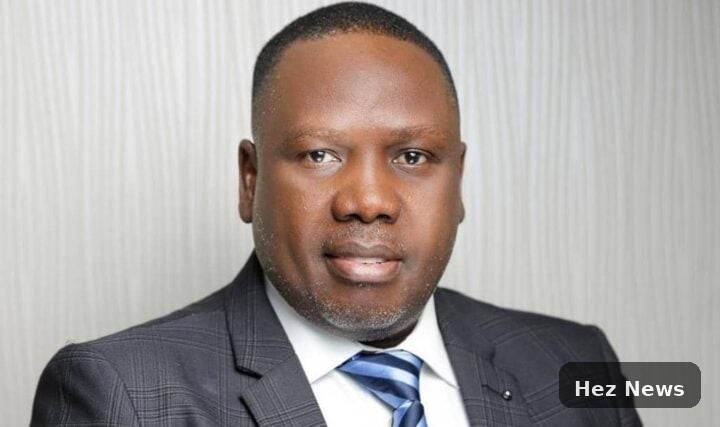
In a recent exchange that has captured the attention of the Nigerian media landscape, Daniel Bwala, a spokesperson for the presidential campaign, has openly criticized Rufai Oseni, an anchor at Arise Television. Bwala accused Oseni of acting as an unofficial spokesperson for Mr. Peter Obi, the candidate of the Labour Party in the upcoming elections.
This comment comes in light of Oseni's frequent commentary on Obi's policies and campaign strategies, which Bwala claims exhibit a bias that undermines journalistic objectivity. Bwala's remarks were made during a segment on Arise Television, where he urged Oseni to align himself more directly with Obi’s campaign efforts if he is so supportive of the candidate.
Context of the Political Climate
Nigeria is currently gearing up for a highly anticipated presidential election, with various candidates vying for the country's highest office. Peter Obi, known for his innovative approach and focus on youth empowerment, has garnered significant support across the nation, especially among younger voters. This surge in popularity has led to increased scrutiny and debate among media personalities and political commentators.
Bwala's comments not only reflect the intense rivalries present in Nigerian politics but also highlight the role of media figures in shaping public perception during this critical period. It raises questions about the responsibilities of journalists and their influence on political discourse.
Media's Role in Political Discourse
The relationship between media personalities and political candidates is often complex, with journalists needing to balance their opinions and analyses with professional integrity. Bwala's challenge to Oseni serves as a reminder of this delicate balance as the nation approaches its election day.
As the campaign season heats up, the interactions between political figures and the media will likely continue to evolve, potentially providing more insights into the strategies employed by various candidates.
In conclusion, the ongoing dialogue between Bwala and Oseni may reflect broader themes of loyalty, bias, and the search for authenticity in Nigerian politics. As voters prepare to make their choices, the dynamics between media and political campaigns will undoubtedly play a pivotal role in shaping the electoral outcome.
Leave a Comment