

The World Economic Forum's Global Risks Report has been highlighting a significant shift in global economic dynamics over the past few years. Unlike previous forecasts that emphasized economic risks, the current narrative underscores a rising concern: geopolitical conflicts and misinformation.
Understanding Geopolitical Pricing
As nations grapple with tensions and competition, particularly between major powers like China and the United States, companies are increasingly facing the reality of geopolitical pricing. This term refers to the influence of political events on market prices, which can lead to instability in trade.
Implications for China’s Economy and Beyond
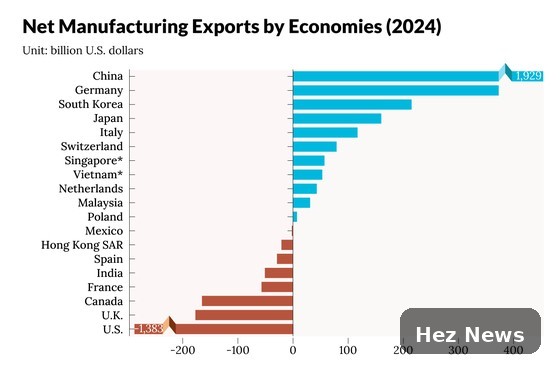
For China, the stakes are particularly high. The country has built its economic model on global trade, and any disruption due to geopolitical tensions can have cascading effects. Companies may find themselves navigating not only traditional market forces but also the unpredictable waters of international relations.
In the context of Nigeria, this is particularly relevant. As the nation continues to strengthen its economic ties with China, understanding these dynamics becomes essential. Nigerian businesses that rely on Chinese imports or partnerships need to be acutely aware of how shifts in geopolitical climates can affect pricing and availability of goods.
Risk Management Strategies
To mitigate these risks, companies are urged to develop robust risk management strategies. This includes diversifying supply chains and building relationships with multiple partners across different regions to buffer against sudden price changes caused by geopolitical events.
Furthermore, investing in technology to monitor geopolitical developments can provide companies with the foresight needed to adapt quickly to changes. For Nigerian businesses, this could mean leveraging local insights while also staying informed about international relations that may affect trade.
The Role of Information
Moreover, the role of information cannot be overstated. In a world where misinformation can spread rapidly, having access to credible sources of news and analysis is vital. Companies need to ensure that their decision-making processes are based on reliable data to navigate the complexities of geopolitical pricing.
Conclusion
As the world continues to change, the implications of geopolitical pricing will become more pronounced. For Nigeria, this presents both challenges and opportunities. By understanding and adapting to these dynamics, Nigerian businesses can position themselves strategically in the global market.





Leave a Comment