
The debate surrounding the Muslim-Muslim ticket in Nigeria's political landscape has intensified, particularly with the remarks made by Rev. Ezekiel Dachomo, the Regional Chairman of the Church of Christ in Nations (COCIN) in Barkin Ladi, Plateau State.
Concerns Over Islamic Agenda
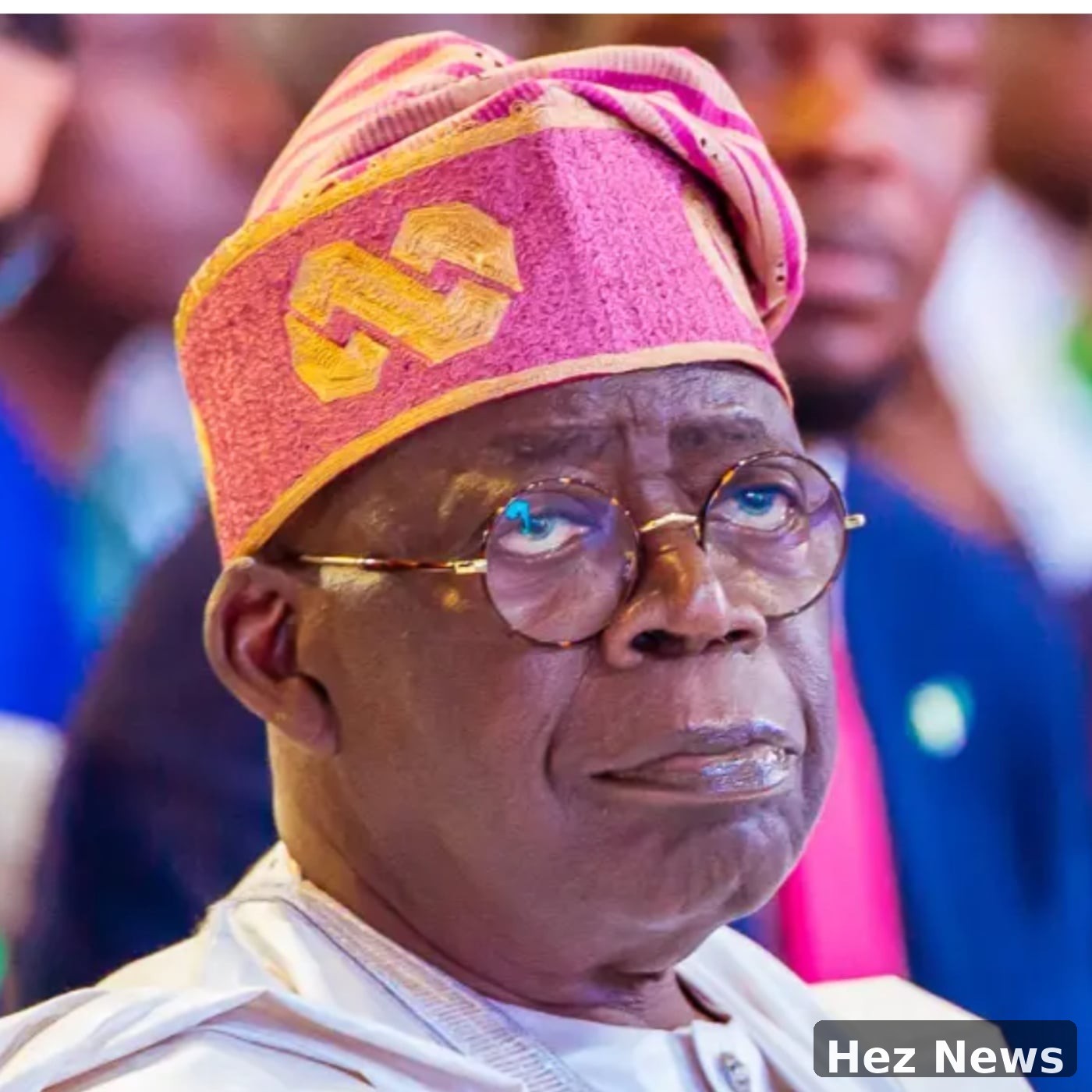
In a recent statement, Rev. Dachomo expressed his deep concerns regarding what he perceives as an Islamic agenda being pushed through the current political framework. He accused President Bola Tinubu of promoting policies that favor a particular religious group, thereby marginalizing others.
Call for Self-Defence
Rev. Dachomo did not shy away from asserting that the Christian community in Nigeria is prepared for self-defence if the situation escalates. He emphasized that while they seek peaceful coexistence, they will not sit idly by if they feel threatened. His statements reflect a growing sentiment among some Nigerian Christians who feel increasingly vulnerable.
The Political Context
The emergence of the Muslim-Muslim ticket has sparked numerous debates across the nation. Critics argue that it undermines Nigeria's religious diversity and could exacerbate existing tensions between different faith groups. Supporters, however, assert that the focus should be on competency rather than religion.
This political dynamic has become a focal point in the discourse surrounding Nigeria's future, particularly with the upcoming elections. The Christian community, represented by leaders like Rev. Dachomo, is vocal about their apprehensions, insisting that religious considerations must be taken into account in political decisions.
Community Response
The statements from Rev. Dachomo have resonated with many in Plateau State and beyond, where religious tensions have historically been a source of conflict. Local church congregations are mobilizing discussions around the implications of a Muslim-Muslim ticket and what it means for their communities.
As the political landscape evolves, it is crucial for political leaders to engage with all segments of society to foster unity and understanding. The upcoming elections will test the resilience of Nigeria's diverse populace and their commitment to coexistence.
Conclusion
Rev. Dachomo's remarks serve as a reminder of the delicate balance that must be maintained in Nigeria's politics. The need for inclusive governance that respects and represents the country's diverse religious landscape is paramount. As citizens prepare for the elections, discussions surrounding the Muslim-Muslim ticket will likely dominate the discourse.
Leave a Comment