

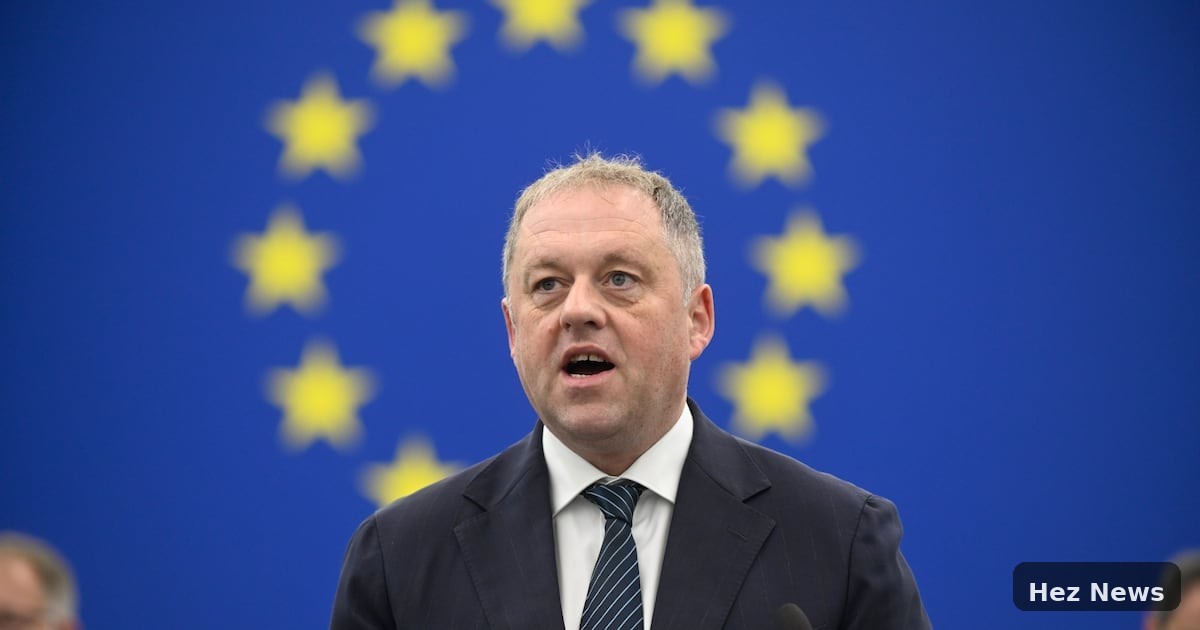
BRUSSELS — Political tensions are escalating within the European Union as member states grapple with the formulation of the next long-term budget. With crucial elections looming in 2027 across some of the largest member nations, the urgency to finalize the EU's spending package has intensified.
The forthcoming elections, anticipated to be highly unpredictable, add a layer of complexity to the budget discussions. Countries like France, Germany, and Italy are poised to face significant political shifts, which could influence their stance on budget allocations and priorities.
Context of the EU Budget
The EU's long-term budget, often referred to as the Multiannual Financial Framework (MFF), outlines the financial priorities and spending limits for the Union over a set period. The current MFF, which covers 2021 to 2027, has already faced scrutiny, particularly regarding its adequacy to address the pressing challenges of climate change, migration, and economic recovery post-COVID-19.
Nigeria, as a country that maintains diplomatic and trade relations with the EU, has a vested interest in how these budgetary decisions unfold. Any changes in EU financial support could impact development aid and trade agreements that benefit Nigeria.
Political Dynamics at Play
As discussions progress, various factions within the EU are lobbying for different budgetary priorities. Some member states advocate for increased funding towards defense and security, while others argue for more investments in social programs and sustainability initiatives.
The European Commission is under pressure to propose a budget that not only satisfies existing commitments but also aligns with the future needs of the Union, especially as it navigates a changing geopolitical landscape.
Implications for Nigeria
For Nigeria, the implications of the EU's budget decisions could resonate beyond mere financial aid. A stable and well-funded EU could bolster trade ties and lead to increased investments in sectors such as agriculture and technology, areas where Nigeria is seeking to enhance its global competitiveness.
Furthermore, as the EU seeks to tackle issues like migration, Nigeria may find itself at the forefront of discussions aimed at collaborative solutions to irregular migration, which remains a pressing issue for both parties.
Looking Ahead
As 2027 approaches, all eyes will be on the EU as it attempts to navigate internal disagreements while preparing for elections that could reshape its political landscape. The outcomes of these elections could potentially impact not only EU policy but also its relations with global partners, including Nigeria.
In conclusion, the ongoing tensions regarding the EU's long-term budget are a reflection of deeper political currents that will have widespread ramifications. For Nigerian policymakers and stakeholders, staying informed about these developments will be crucial for fostering beneficial international relationships.



Leave a Comment