

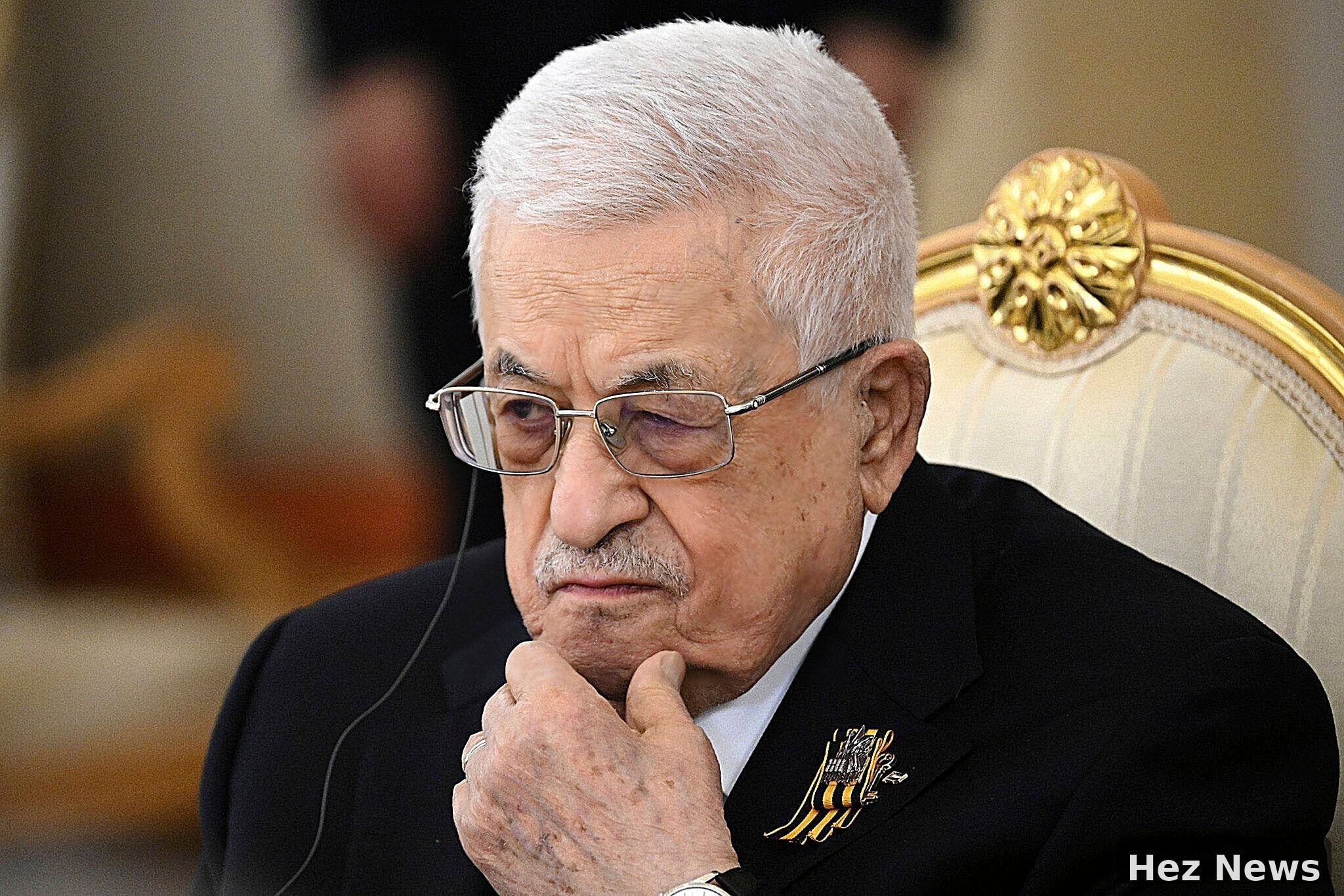
The recent decision by Palestinian President Mahmoud Abbas to postpone the upcoming presidential elections has drawn significant criticism from several Western nations, including the United Kingdom, France, Australia, and Canada. This move has raised concerns about the political stability and democratic processes in the Palestinian territories, especially at a time when the region is facing numerous challenges.
Background of the Palestinian Elections
Scheduled to take place after a prolonged period of political stagnation, the elections were seen as a crucial step towards revitalizing the Palestinian Authority, which has experienced diminishing support among its populace. The elections were initially planned to allow Palestinians to elect their leaders, thereby strengthening democratic governance in the territories.
However, President Abbas announced the postponement, citing challenges in ensuring a fair and transparent electoral process. This decision has sparked outrage among various stakeholders, as many view it as a setback for democratic aspirations in the region.
International Reactions
The response from the international community has been swift and pointed. The UK Foreign Office expressed deep disappointment, stating that the delay undermines the hopes for democratic renewal in the Palestinian territories. Similarly, French officials emphasized the importance of holding elections to restore public confidence in governance.
Australia and Canada have echoed these sentiments, urging President Abbas to reconsider his decision and to prioritize the democratic rights of Palestinians. The calls for immediate elections reflect a broader concern about the governance issues facing the Palestinian Authority, which has been in power for nearly two decades without a competitive electoral process.
Implications for Nigeria and the Global Community
This development is particularly relevant for Nigeria, a country with a significant Muslim population and longstanding interest in Middle Eastern affairs. As a member of the international community, Nigeria's diplomatic stance often reflects a commitment to democratic principles and the right of peoples to self-determination.
Moreover, the situation in Palestine resonates with many Nigerians who understand the struggles of marginalized groups seeking political representation. The Nigerian government, along with civil society, may be called upon to advocate for the resumption of the electoral process in Palestine, reinforcing Nigeria's role as a leader in African and global diplomacy.
Conclusion
The postponement of the Palestinian elections has significant implications not just for the Palestinian people but for the entire Middle East and international relations. As calls for democratic governance resonate across the globe, the actions taken by President Abbas will be closely watched by nations, including Nigeria, that value the principles of democracy and political representation.






Leave a Comment