

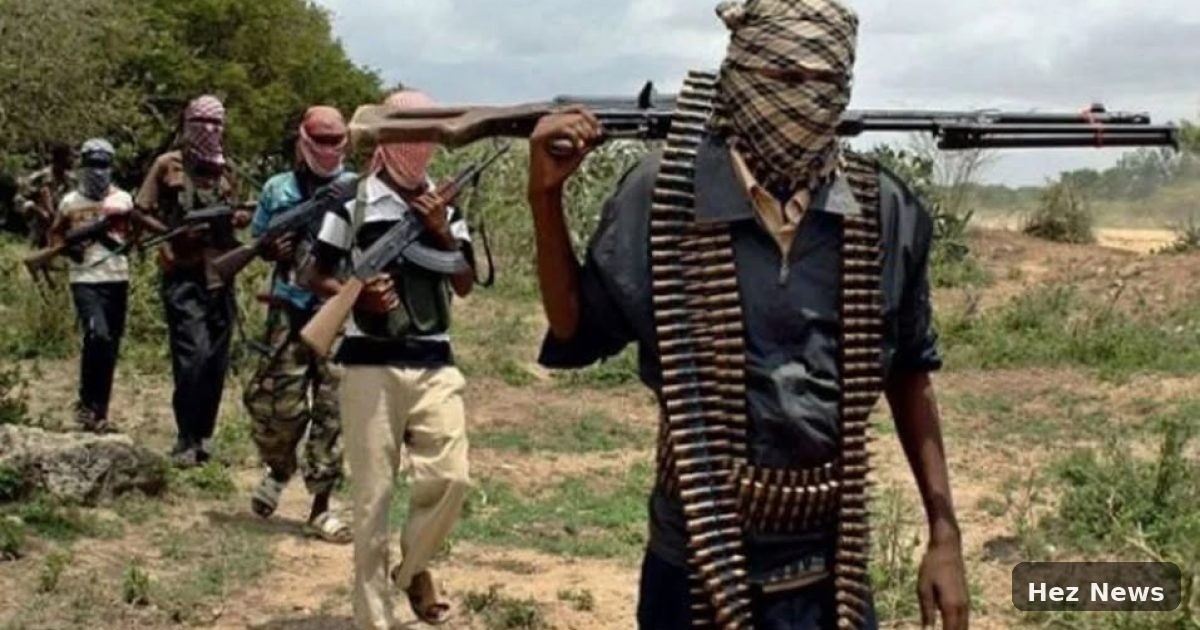
Nigeria, with a burgeoning population of approximately 240 million, presents a unique tapestry of religious diversity, primarily split between Muslims and Christians. Despite the lack of an official religious census since 1963, it is widely acknowledged that Muslims likely constitute a plurality. This demographic landscape has been a breeding ground for various jihadist groups, each vying for influence and control, yet united in the overarching ambition to reshape Nigeria through Islamization.
The Rise of Jihadist Groups
In recent years, Nigeria has witnessed the emergence of multiple jihadist factions, most notably Boko Haram and its splinter group, ISWAP (Islamic State West Africa Province). These groups have exploited the socio-economic challenges and political instability in the northeastern part of the country to propagate their radical ideologies. Their shared goal may be the Islamization of Nigeria, but their methods and motivations often clash, leading to a complex battlefield where religious zealotry meets local grievances.
Understanding the Motivations
The motivations behind these jihadist factions are deeply rooted in historical, socio-economic, and political contexts. Many youths from impoverished backgrounds have been drawn into these groups, seduced by promises of financial gain, religious fulfillment, and a sense of belonging. The Nigerian government’s inability to provide adequate education, healthcare, and employment opportunities has further fueled this recruitment drive.
Religious Tensions and Societal Impact
The rivalry among jihadist factions has exacerbated existing religious tensions within Nigeria. The North has been particularly affected, with frequent attacks on both Muslim and Christian communities, leading to a cycle of violence that threatens the nation’s social fabric. The conflict has not only resulted in loss of lives but has also displaced millions, creating a humanitarian crisis that requires urgent attention.
Government Response and Challenges
The Nigerian government has faced significant challenges in addressing the threat posed by these jihadist groups. Military operations have been launched, but critics argue that these efforts have often been reactive rather than proactive. There is a pressing need for a comprehensive strategy that includes community engagement, education, and economic development to counter the ideology that drives recruitment into these groups.
Path Forward: Unity in Diversity
For Nigeria to effectively combat the jihadist threat and promote national unity, it is essential to foster dialogue among different religious communities. Understanding and respecting religious differences can help bridge divides and counter the narratives used by extremist groups. Moreover, enhancing economic opportunities and educational resources in vulnerable areas can reduce susceptibility to radicalization.
As Nigeria continues to navigate these complex challenges, it remains crucial to remember that the fight against extremism is not only a military endeavor but also a societal one. A united front, embracing the country’s diversity, may ultimately be the key to remaking Nigeria into a peaceful and prosperous nation, free from the shackles of violent extremism.




Leave a Comment