

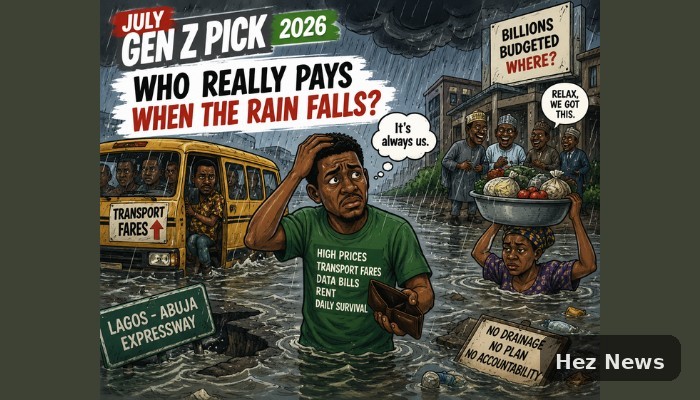
Lagos, the bustling economic hub of Nigeria, has recently faced significant challenges as heavy rainfall submerged major roads, leaving many commuters stranded. With public transport systems disrupted, residents were seen abandoning their buses, opting instead to wade through knee-deep waters.
The Impact of Flooding on Daily Life
The recurrent flooding in Lagos raises critical questions about urban planning and infrastructure. Residents often find themselves caught in a cycle of chaos during the rainy season, as inadequate drainage systems struggle to cope with the volume of water.
For many, the daily commute becomes a test of endurance. Commuters who rely on public transportation face delays and cancellations, while those who take to the roads in their private vehicles often find themselves stuck in traffic or, worse, stranded.
Who Pays the Price?
The question remains: who really pays when the rain falls? While the immediate impact is felt by commuters, the broader implications extend to businesses and local economies. Small business owners often suffer losses due to reduced foot traffic and inability to deliver goods on time.
Furthermore, the government is under pressure to allocate funds for better drainage systems and flood control measures. However, with limited budgets and competing priorities, addressing these infrastructural challenges can be a daunting task.
Government Responses and Recommendations
In response to the persistent flooding, the Lagos State government has initiated several projects aimed at improving drainage and reducing the impact of heavy rains. However, the effectiveness of these measures often comes under scrutiny as residents continue to experience flooding year after year.
Experts recommend a multifaceted approach that includes not only improving infrastructure but also engaging communities in flood preparedness initiatives. Public awareness campaigns about the importance of maintaining drainage systems can empower citizens to take action in their neighborhoods.
The Way Forward
As Lagos continues to grow, the challenges posed by heavy rainfall will likely remain. It is essential for stakeholders, including the government, private sector, and citizens, to collaborate effectively to find sustainable solutions.
Only through collective action can Lagos hope to mitigate the impacts of flooding and ensure that when the rain falls, the city remains resilient.

Leave a Comment