

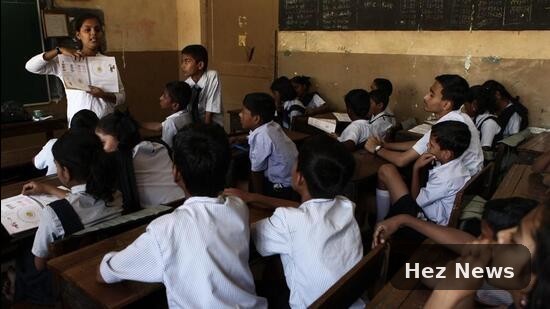
The education sector in Nigeria has witnessed a concerning trend as enrolment in Class 1 at local body schools has decreased by 1.37 lakh over the past four years. This decline raises alarms about the accessibility and appeal of primary education in the country.
Understanding the Decline
According to officials from the education department, the drop in enrolment reflects various challenges that local body schools face. Factors such as inadequate infrastructure, insufficient teaching staff, and economic constraints for families are contributing to this worrying trend.
In many regions, parents are increasingly opting for private schools, which, although often more expensive, are perceived to offer better facilities and educational quality. This shift not only impacts local body schools but also raises questions about the sustainability of public education.
Government Response
In response to this decline, the government has initiated a special admission drive set to launch at the beginning of the new academic year. This initiative aims to rejuvenate interest in local body schools by ensuring that influential figures such as the chief minister, deputy chief ministers, ministers, and senior officials visit schools to personally welcome new students.
This outreach program is designed to create a positive atmosphere around public schooling and encourage families to consider these institutions as viable options for their children’s education. The officials believe that personal engagement can help rebuild trust in local education systems.
Challenges Facing Local Body Schools
Local body schools have long been plagued by various challenges. Many schools struggle with outdated curricula that do not meet current educational standards, resulting in a lack of competitiveness compared to their private counterparts. Additionally, teacher shortages in rural areas further exacerbate the issue, leading to overcrowded classrooms and insufficient attention for each student.
Furthermore, economic factors play a crucial role. Many families, particularly in low-income areas, find it increasingly difficult to afford basic educational supplies, which can discourage them from enrolling their children in school altogether. This cycle of poverty and lack of education can have lasting implications for future generations.
The Way Forward
Experts argue that to reverse the trend, more comprehensive reforms are needed. This includes investing in school infrastructure, improving teacher training programs, and actively engaging with communities to promote the importance of education.
As the new academic year approaches, it is crucial for stakeholders in the education sector—government, educators, and parents—to collaborate in finding sustainable solutions that ensure every child has access to quality education.
In conclusion, while the drop in Class 1 enrolment in local body schools is alarming, proactive measures such as the upcoming admission drive may pave the way for revitalizing interest in public education. The success of these initiatives will depend on continuous efforts to address the underlying issues affecting enrolment.




Leave a Comment