

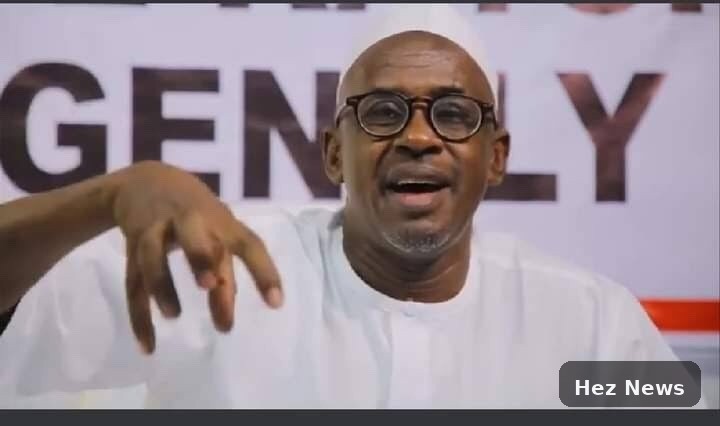
A prominent public commentator, Mahdi Shehu, has voiced his concerns regarding the misconception of an equal partnership between the president and vice president in Nigeria's political framework. In his recent statement, Shehu emphasized that the Nigerian Constitution clearly designates the vice president as subordinate to the president, not an equal partner.
Shehu's remarks come in the wake of ongoing discussions about the roles and responsibilities of the president and vice president, especially in the context of the upcoming elections. Many political analysts have debated whether the vice president should have a more prominent role in governance, suggesting a potential shift towards a more collaborative approach.
Understanding the Constitutional Framework
According to Shehu, the Constitution of Nigeria outlines a hierarchical structure where the president holds the ultimate authority. He stated, “The vice president's role is to support the president, not to share power equally. This is a fundamental misunderstanding of our constitutional design.” This perspective sheds light on the traditional views regarding the executive branch's functioning in Nigeria.
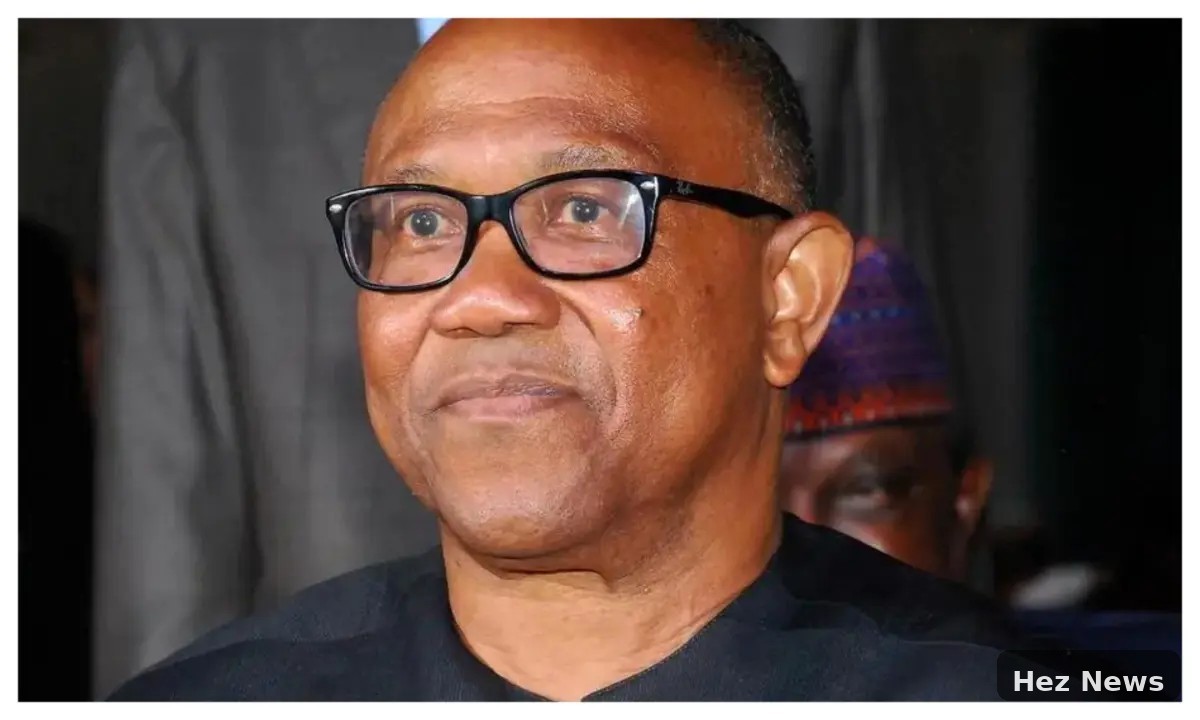
The commentator's criticism is particularly relevant as political candidates, including Peter Obi, advocate for a more progressive interpretation of the vice presidency. Obi's supporters argue for a model where the vice president can actively participate in decision-making processes, thereby enhancing governance.
Implications for Political Dynamics
Shehu's statements have sparked a debate about the implications of the vice presidency's perceived limitations. As Nigeria approaches a crucial election period, understanding the power dynamics between the president and vice president becomes increasingly significant. Critics of the current structure argue that a more balanced partnership could lead to better governance and more responsive leadership.
In conclusion, Mahdi Shehu's assertion that the vice president's role is subordinate to that of the president raises important questions about governance in Nigeria. As the nation prepares for elections, the discourse surrounding the executive roles will be pivotal in shaping political strategies and voter sentiments.

Leave a Comment