

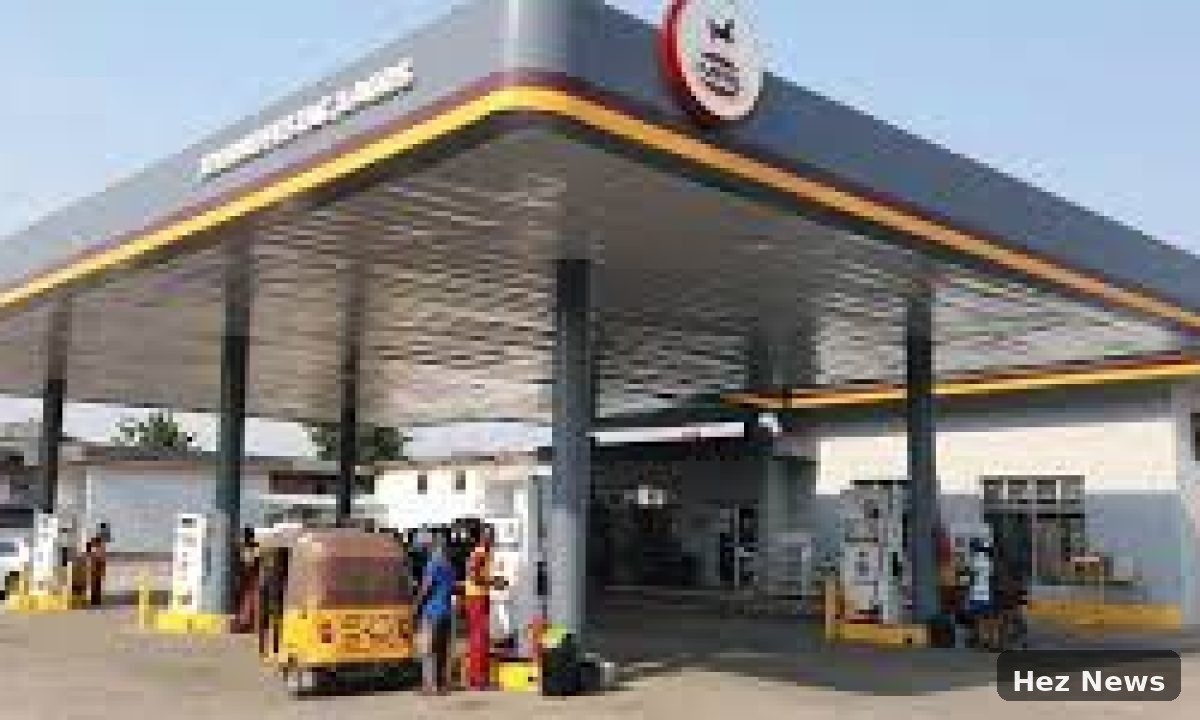
In a recent turn of events, several MRS filling stations across Abuja have been forced to shut down for a period of two days due to the unavailability of Premium Motor Spirit (PMS). This situation has raised concerns among motorists and consumers alike, especially in light of the ongoing discussions surrounding fuel pricing in the country.
Impact of Fuel Price Increase
The closure of these filling stations comes amidst a fresh wave of fuel price increases, which has left many Nigerians scrambling for alternatives. As fuel prices soar, the availability of PMS has become increasingly erratic, with many stations unable to keep up with the demand. This has led to long queues at the few stations that are still operational.
Local Reactions
Motorists in Abuja have expressed their frustrations over the situation. Many have taken to social media platforms to voice their concerns, citing the impact of fuel scarcity on their daily commutes and overall transportation costs. “It’s becoming increasingly difficult to move around. The prices are going up, and now we can’t even find fuel,” lamented one frustrated driver.
Government Response
In response to the ongoing fuel crisis, government officials have promised to investigate the root causes of the shortages and take necessary actions to stabilize the market. Experts suggest that the government needs to address issues related to fuel distribution and supply chain management to prevent future occurrences.
Future Implications
The situation raises important questions about Nigeria's fuel supply system and its reliance on imports for PMS. As the country grapples with economic challenges, the ability to provide consistent fuel supply is crucial for both personal transportation and economic activities.
As the fuel price landscape continues to evolve, consumers and industry stakeholders are urged to stay informed and prepared for potential changes in the market.





Leave a Comment