

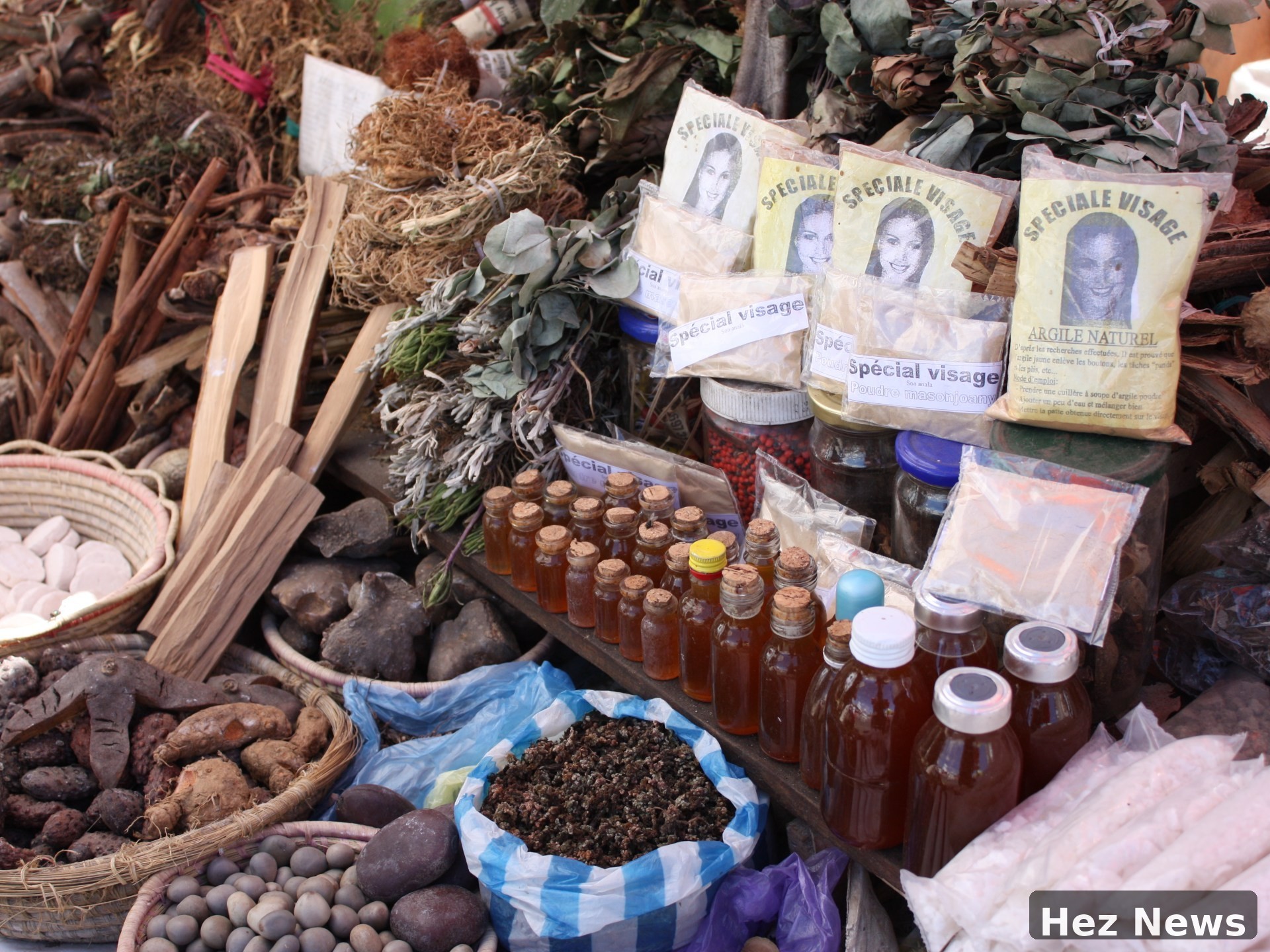
Abuja, Nigeria – The online marketplace for herbal remedies in Nigeria is experiencing a significant surge, with many individuals turning to unverified products in hopes of finding solutions to various health issues. This trend has raised serious concerns among health professionals and regulatory bodies alike.
The Allure of Herbal Remedies
In recent years, there has been a growing interest in herbal supplements among Nigerians, driven largely by the desire for natural treatments and the perception that they are safer and more effective than conventional medicine. The case of Oke Bola is emblematic of this phenomenon. Seeking a fertility supplement, she purchased a product online, only to find herself facing severe health complications shortly after consumption.
Risks Involved
The dangers of unregulated herbal products cannot be overstated. Many of these remedies are promoted through social media and online platforms without any form of clinical testing or regulatory approval. Users often share testimonials that can be misleading, leading others to believe in the efficacy and safety of these products.
According to health experts, the ingredients in some herbal supplements can interact negatively with prescription medications or cause adverse reactions in individuals with pre-existing conditions. The lack of oversight in this burgeoning market makes it difficult for consumers to distinguish between safe and potentially harmful products.
The Role of Social Media
Social media platforms play a pivotal role in the proliferation of these herbal cures. Influencers and online marketers often promote products with little regard for their safety or efficacy. This practice not only exploits the desperation of individuals seeking relief from various ailments but also poses a significant public health risk.
Regulatory agencies like the National Agency for Food and Drug Administration and Control (NAFDAC) are struggling to keep up with the rapid growth of this market. The agency has issued warnings about several herbal products, but enforcement remains a challenge due to the sheer volume of online sellers.
Public Awareness and Education
To combat the risks associated with unverified herbal remedies, health officials emphasize the importance of public education. Initiatives aimed at raising awareness about the potential dangers of self-medication and the necessity of consulting healthcare professionals before trying new treatments are crucial.
Furthermore, there is a need for stricter regulations and monitoring of online sales of herbal products. By implementing better oversight, consumers can be protected from harmful substances masquerading as cures.
Conclusion
The rise of Nigeria's 'algorithmic apothecary'—a term used to describe the online sale of herbal remedies—serves as a reminder of the complexities surrounding health choices in the digital age. While the quest for natural solutions is understandable, it is imperative for Nigerians to approach these options with caution and skepticism.
As the landscape of herbal remedies continues to evolve, both consumers and regulators must remain vigilant to ensure that health remains a priority over profit.





Leave a Comment