

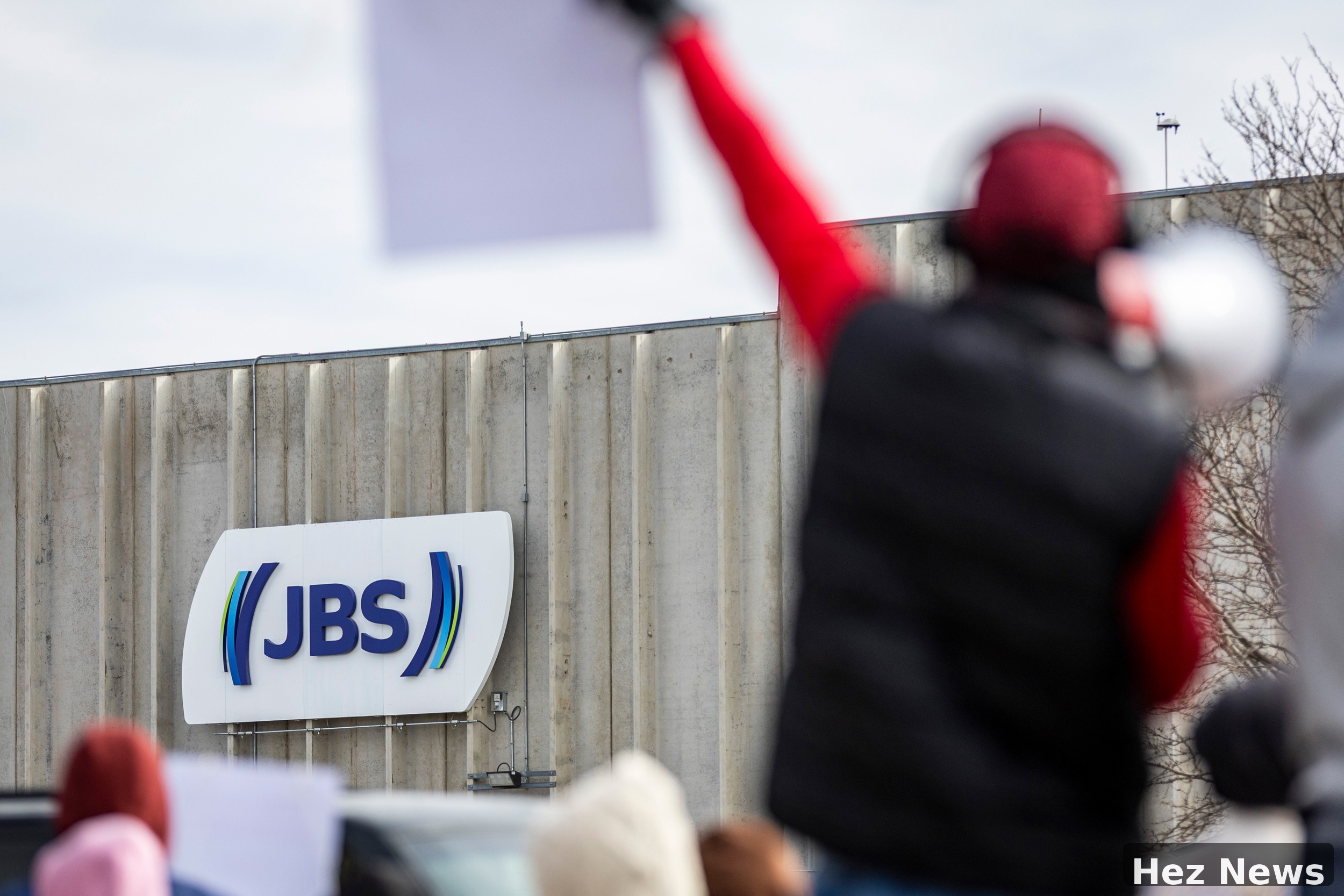
Greenpeace, a prominent environmental organization, has announced plans to take legal action against JBS, the world's largest meat producer. This follows the company's announcement of a new industrial beef operation in Nigeria, marking its first venture on the African continent.
The Brazilian company, known for its significant role in global meat production, has not yet provided comprehensive details regarding its operational plans in Nigeria. This lack of transparency has raised concerns among environmental advocates, who argue that such large-scale industrial operations could have detrimental effects on local ecosystems and communities.
Concerns Over Environmental Impact
Greenpeace's legal challenge highlights the growing apprehension about the environmental implications of industrial beef production. The organization argues that JBS's operations could contribute to increased greenhouse gas emissions, deforestation, and the loss of biodiversity in Nigeria.
As the country grapples with climate change and its associated challenges, the introduction of such large-scale livestock farming raises questions about sustainability. Advocates emphasize the need for transparency and accountability in agricultural practices, particularly when foreign corporations are involved.
JBS's Expansion into Africa
JBS's plans for Nigeria are part of a broader strategy to expand its footprint in Africa, where demand for beef is rising. However, the company's past practices in other regions have drawn scrutiny, prompting calls for increased regulation and oversight to ensure ethical and sustainable farming practices.
The African continent has unique ecological and cultural landscapes that could be significantly impacted by industrial farming. Local communities are often the first to feel the effects of such expansions, leading to concerns about food security and land rights.
Call for Transparency
Greenpeace is urging JBS to disclose detailed plans regarding its Nigerian operations, including environmental assessments and community engagement strategies. The organization believes that informed public discourse is crucial in addressing the potential risks posed by large-scale agricultural enterprises.
In response to the backlash, JBS has stated its commitment to sustainable practices, but environmentalists remain skeptical without concrete evidence. As discussions continue, the focus is likely to remain on how multinational corporations can operate responsibly within Nigeria.
Conclusion
The situation is evolving, and the outcome of Greenpeace's legal action could set a precedent for how environmental concerns are addressed in the context of foreign investment in Nigeria's agricultural sector. Stakeholders from all sides will be watching closely as the dialogue unfolds.



Leave a Comment