
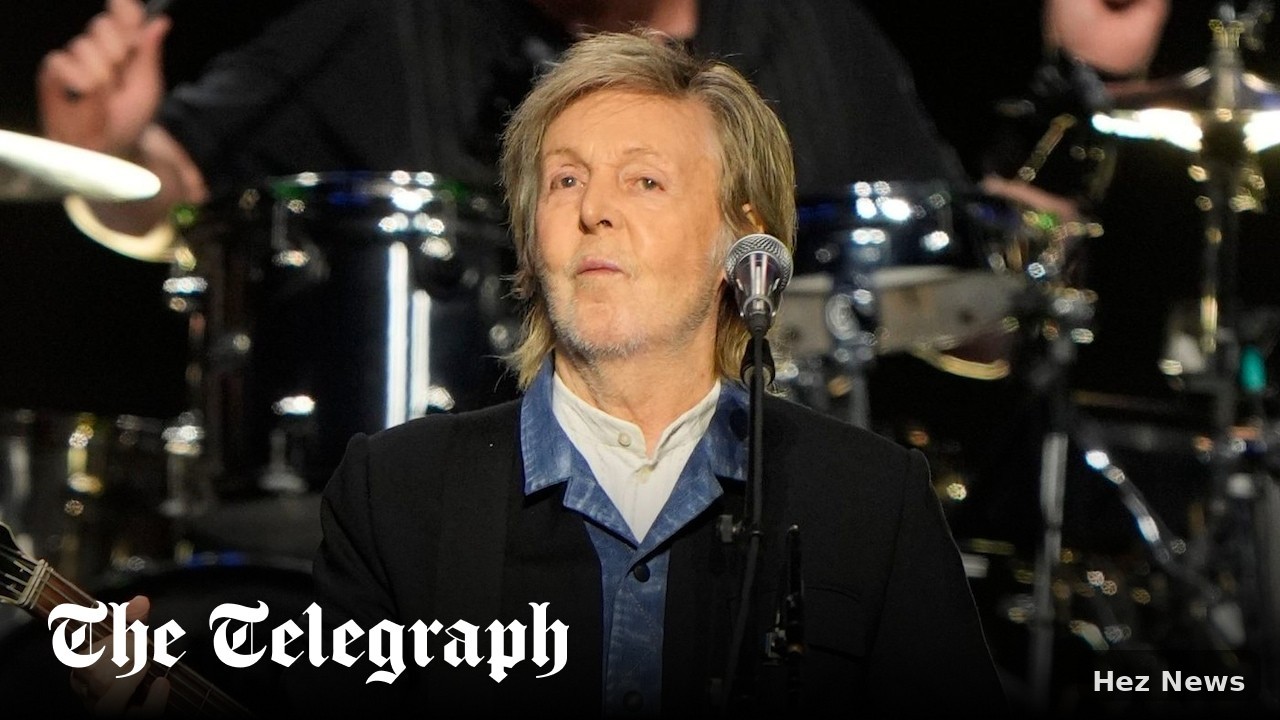
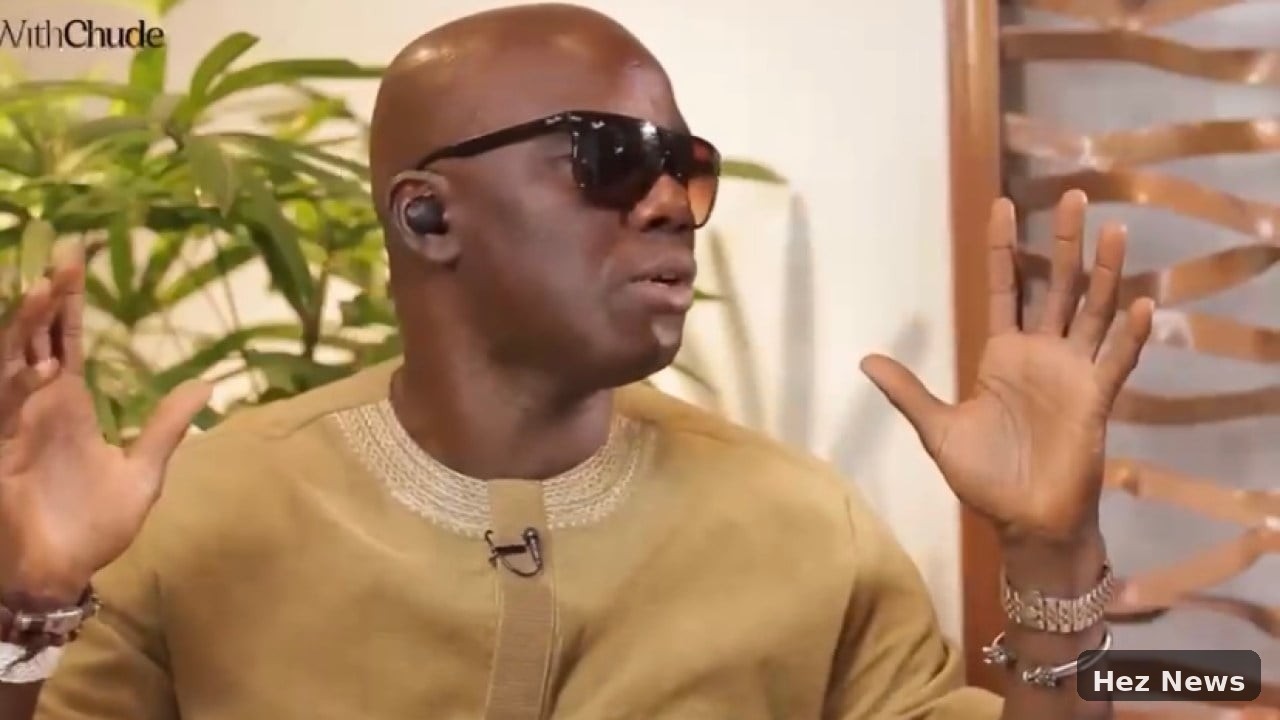
Controversial Nigerian musician Habeeb Okikiola Badmus, widely known as Portable, has recently expressed his apprehension regarding the state of insecurity in Nigeria. Speaking candidly, the artist revealed that he feels compelled to remain silent on the issue, stating, 'They will arrest us if we speak up.'
Portable's Perspective on Silence Amidst Insecurity
In a society where the threat of violence looms large, many public figures find themselves grappling with the decision to voice their opinions. Portable's comments highlight a significant concern among Nigerian celebrities who fear repercussions for speaking out against the escalating insecurity in the nation.
The singer’s remarks echo a growing sentiment within the entertainment industry, where many are hesitant to address critical national issues. Portable, known for his unfiltered views, believes that the risks of expressing dissent are too high, given the current climate of fear and repression.
The Impact of Insecurity on Nigerian Society
Nigeria has been grappling with various forms of insecurity, ranging from banditry and kidnappings to ethnic and religious violence. This pervasive issue affects not only the general populace but also artists and entertainers, who often serve as influential voices in society.
By refraining from condemning the situation, Portable reflects a broader challenge faced by many in the creative sector. The fear of possible arrest or harassment looms large, as a number of individuals have faced legal troubles for their outspoken views on sensitive topics.
Calls for Caution and Responsibility
While Portable's concerns are valid, they also raise questions about the responsibility of artists to engage with pressing social issues. Many argue that celebrities have a platform and a duty to advocate for change, especially in times of crisis. However, the potential for backlash creates a paradox where the fear of personal safety stifles important conversations.
As Nigeria continues to navigate its complex security landscape, the voices of its celebrities, like Portable, will remain crucial. Whether they choose to speak out or stay silent, the implications of their choices resonate beyond the entertainment sphere, influencing public discourse and societal attitudes.
In conclusion, Portable's reluctance to publicly address insecurity underscores a critical intersection of art, activism, and safety in Nigeria. As the nation confronts these challenges, it remains to be seen how artists will balance their roles in society with the risks they face.
Leave a Comment