

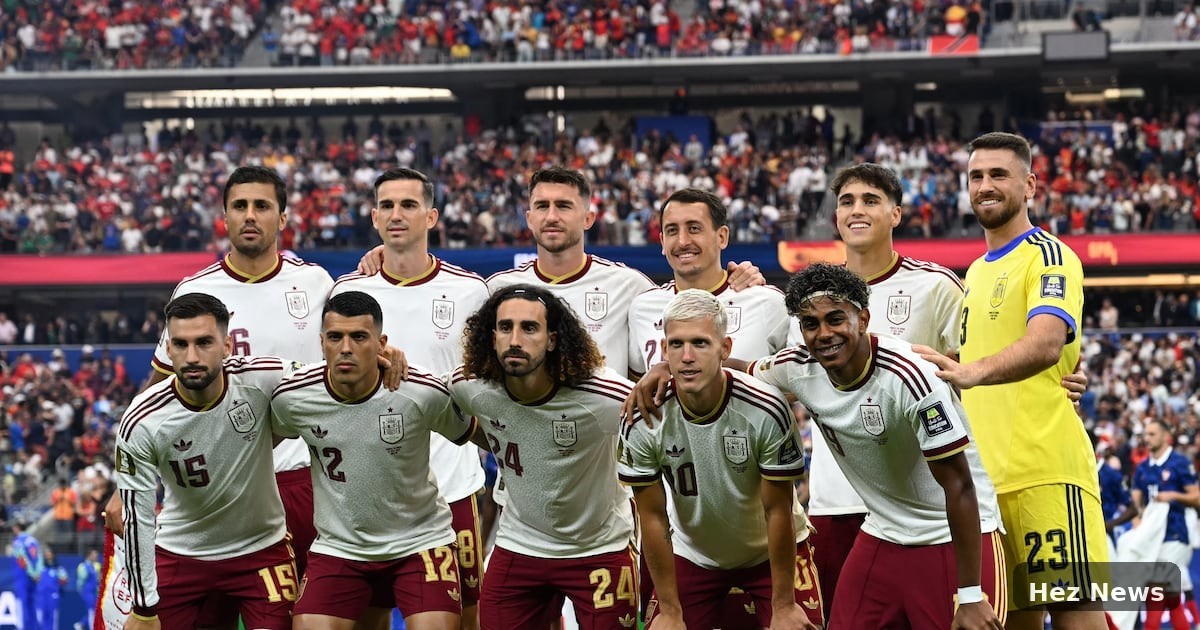
As the world gears up for the highly anticipated FIFA World Cup final between Spain and Argentina, a significant portion of the Spanish populace, particularly in Catalonia and the Basque Country, finds themselves watching the match with mixed emotions. This sentiment stems from a long-standing cultural and political divide within Spain, making the final a unique event for these regions.
The Road to the Final
On Tuesday, Spain showcased an impressive performance, defeating tournament favorites France 2-0 in Dallas. This victory propelled the Spanish team into the final, where they will face off against Argentina, another formidable opponent. The match has not only captured the attention of football fans globally but has also ignited conversations about regional identities within Spain.
A Divided Spirit
In Catalonia and the Basque Country, the joy of watching Spain succeed on the football pitch is often overshadowed by nationalistic sentiments. The Catalans have been advocating for independence from Spain, while the Basques have sought greater autonomy. This complex relationship with the Spanish state complicates the emotions surrounding national sporting events.
The headline in Marca, Spain's leading sports newspaper, following Spain's victory over France, reflected a national pride that resonates across the country. However, for many in Catalonia and the Basque Country, this pride is entangled with feelings of ambivalence towards the Spanish national team.
Football as a Reflection of Identity
For many Nigerians, football serves as a unifying force, similar to its role in Spain. However, the experience is different in regions with strong independence movements. In Catalonia, for instance, local clubs like FC Barcelona symbolize not just sporting excellence but also a cultural identity distinct from the rest of Spain.
This duality is further complicated by the fact that many fans in these regions may support individual players rather than the national team, reflecting a shift towards personal rather than collective identity in sports fandom.
What's at Stake?
As the final approaches, the stakes are high not just for the teams but also for the narrative surrounding Spain as a unified nation. The outcome of the match will inevitably fuel discussions about national identity, autonomy, and what it means to be Spanish in a country with such diverse regional identities.
For Nigerians, the final serves as a reminder of the power of sports to bring people together, as well as the complexities that can arise in a politically charged atmosphere. It’s a moment where unity can be celebrated, yet the undercurrents of division remain palpable.
Conclusion
As Catalans and Basques prepare to watch the World Cup final, their gaze will indeed be split. While they may cheer for individual players or even the beautiful game itself, the broader implications of this match are far more significant. It’s a story of pride, identity, and the intricate tapestry of cultural narratives that define not only Spain but also echo in the hearts of many Nigerians who understand the dual nature of national pride.

Leave a Comment