

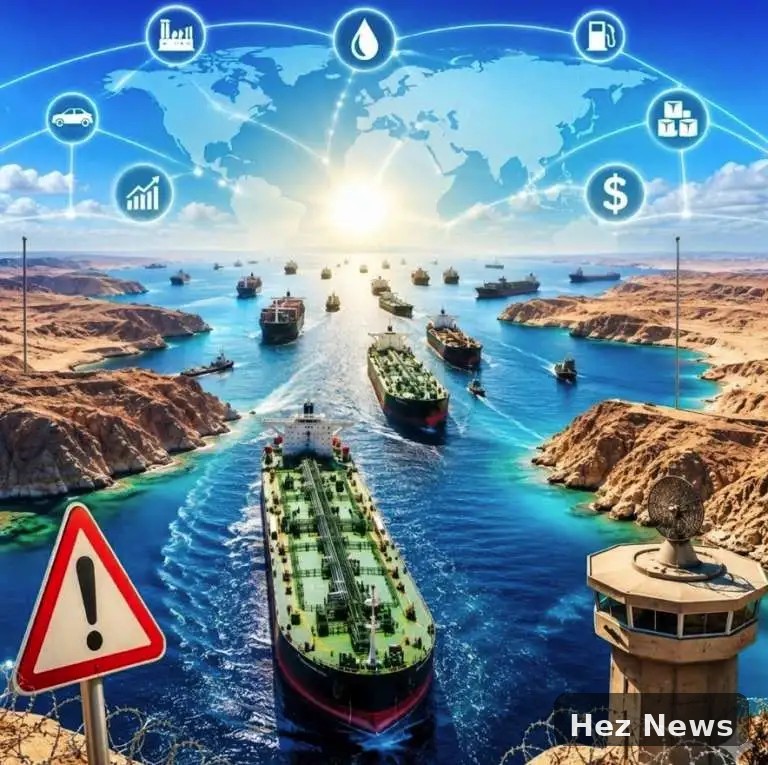
The Strait of Hormuz remains a critical chokepoint for global trade, particularly for oil shipments. Recent developments indicate that tensions in this area are unlikely to dissipate anytime soon, with significant implications not just for regional players but for economies worldwide, including Nigeria.
Iran's Stance on Control
Iran has consistently expressed its intention to exert full control over the Strait of Hormuz. This was made evident by a recent attack on a cargo vessel near the coast of Oman, underlining Iran's commitment to maintaining its influence over this vital maritime route.
Global Trade and Economic Implications
The Strait of Hormuz is a crucial passage for approximately 20% of the world’s oil supply. Any disruption can lead to skyrocketing oil prices, affecting global markets and economies. For Nigeria, a significant oil exporter, fluctuations in oil prices can have direct consequences on its economic stability and revenue generation.
Impact on Nigeria
Nigeria's economy is heavily reliant on oil exports, making it vulnerable to changes in global oil markets. As tensions escalate in the Strait of Hormuz, Nigerian stakeholders are likely to feel the ripple effects. High oil prices can lead to increased revenues, but they can also stoke inflation and affect local fuel prices.
The Bigger Picture
With Iran’s increasing assertiveness in the region, the situation could lead to heightened military presence from Western nations, including the United States. This could further complicate diplomatic relations in the Middle East and create an unpredictable environment for global trade.
Conclusion
As the situation unfolds, it is crucial for Nigerian policymakers and businesses to monitor developments closely. The ongoing instability in the Strait of Hormuz is not just a regional issue; it poses a serious challenge to global economic stability and demands attention from all nations reliant on oil.





Leave a Comment