

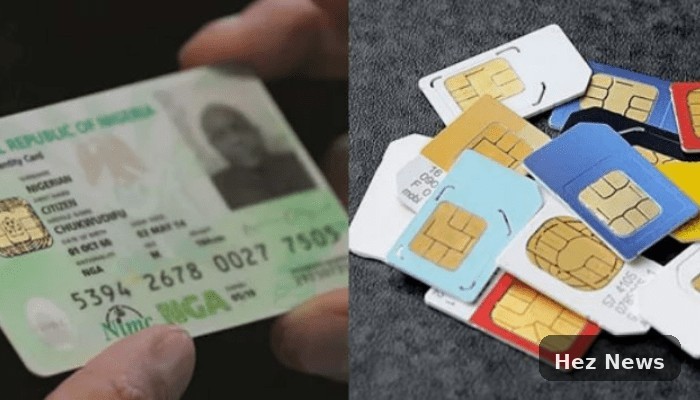
In recent years, the integration of telecommunications and banking services in Nigeria has streamlined financial transactions for millions of users. However, this convenience comes with a significant downside: the increasing risk of SIM swap attacks.
SIM swap attacks occur when a fraudster manipulates the telecom provider into transferring a user's phone number to a new SIM card that they control. This process often involves social engineering tactics, including impersonating the victim to gain access to sensitive information.
The Vulnerability of Telecom Networks
As mobile banking grows in popularity, the telecom networks that facilitate these services have become prime targets for cybercriminals. According to recent reports, the same platforms that enable users to access their bank accounts via mobile devices are also exploited, creating a critical vulnerability point.
Experts have noted that the lack of stringent verification processes in some telecom companies' operations exacerbates this issue. Many users may not be aware of the potential risks associated with their mobile banking activities, making them more susceptible to attacks.
Impact on Nigerian Users
The implications of SIM swap fraud can be devastating for individuals. Victims often find their bank accounts drained within minutes, as attackers can bypass two-factor authentication systems by receiving security codes on the compromised number. In Nigeria, where mobile banking is increasingly becoming a staple, the rise in such attacks casts a shadow over the sector's growth.
Moreover, the financial loss due to these attacks is not solely borne by the victims. Banks and telecom providers may also face reputational damage, leading to a loss of customer trust and potential regulatory scrutiny.
Preventive Measures
To combat these risks, experts recommend several preventive measures:
- Educating users about the signs of a SIM swap attack and the importance of safeguarding personal information.
- Implementing robust verification processes by telecom providers to ensure that any requests for SIM swaps are legitimate.
- Encouraging banks to use additional layers of security, such as biometric authentication, to protect user accounts.
In conclusion, while the integration of telecom and banking services has made financial transactions easier for Nigerians, it has also opened the door to new threats. Users must remain vigilant and proactive in protecting their information to mitigate the risks associated with SIM swap attacks.



Leave a Comment