

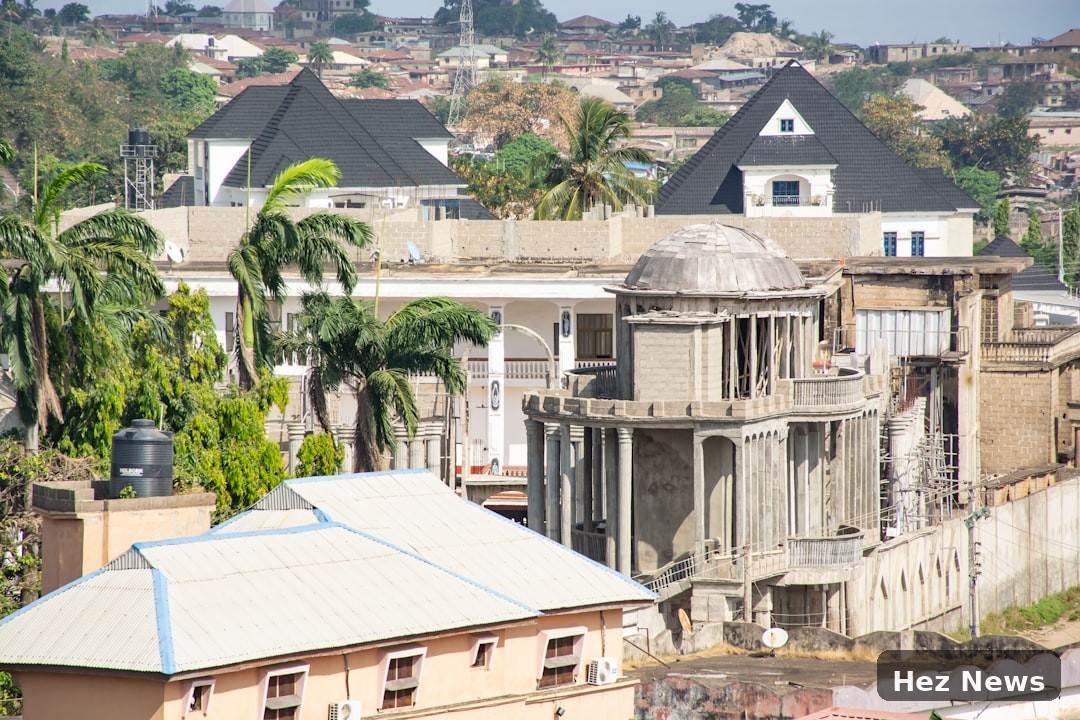
This week in architecture, the discourse has beautifully intertwined historical significance with future aspirations. As we witness a surge in revitalization projects and innovative designs, architecture continues to serve as a mirror reflecting our evolving cultural narratives.
Revitalization of Historical Landmarks
Across the globe, cities are increasingly recognizing the value of their historical structures. In Nigeria, there has been a notable effort to restore landmarks that tell our unique story. Projects aimed at preserving these sites not only enhance tourism but also foster a sense of community identity.
For instance, the restoration of the National Museum of Unity in Enugu has been met with enthusiasm. This museum, which showcases artifacts from various ethnic groups in Nigeria, is pivotal for educating both locals and tourists about our rich heritage. Such initiatives underscore the importance of maintaining historical architecture as a means of cultural expression.
Innovations in Urban Redevelopment
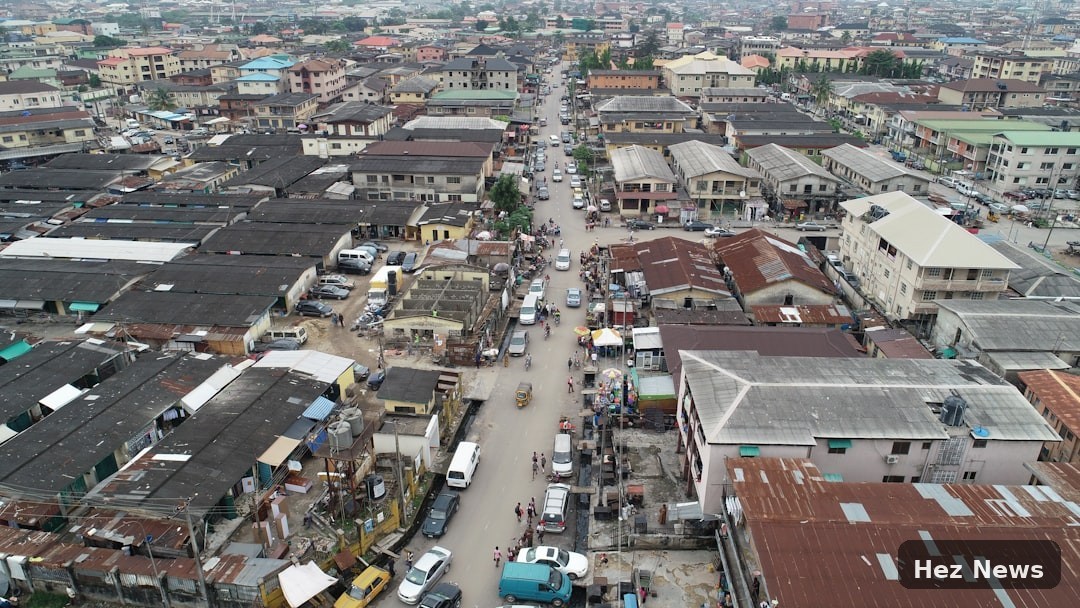
As we look to the future, urban redevelopment is taking center stage. Cities are reimagining their urban landscapes to accommodate growing populations and changing lifestyles. In Lagos, the ongoing development of the Lekki Free Trade Zone exemplifies how architecture can adapt to economic needs while promoting sustainability.
Designed to attract foreign investment, this project features modern architectural designs that incorporate green spaces and smart technologies. Such innovations not only modernize our urban environments but also address pressing issues like climate change and traffic congestion.
Cultural Influences on Modern Architecture
The influence of culture in shaping architectural designs cannot be overstated. Nigerian architects are increasingly drawing from indigenous styles and materials to create structures that resonate with the local populace. This blending of the past with contemporary techniques offers a unique aesthetic experience.
One notable example is the use of laterite, a traditional building material, which is making a comeback in new constructions. This method not only honors our architectural heritage but also provides an environmentally friendly solution that reduces carbon footprints.
Conclusion
Architecture is not stagnant; it evolves, reflecting our societal changes and aspirations. As Nigeria embraces both its past and future through architecture, the dialogue surrounding these developments will only grow richer. By investing in both restoration and innovative design, we are not just building structures but also fostering a national identity that values its history while looking forward to a sustainable future.





Leave a Comment