

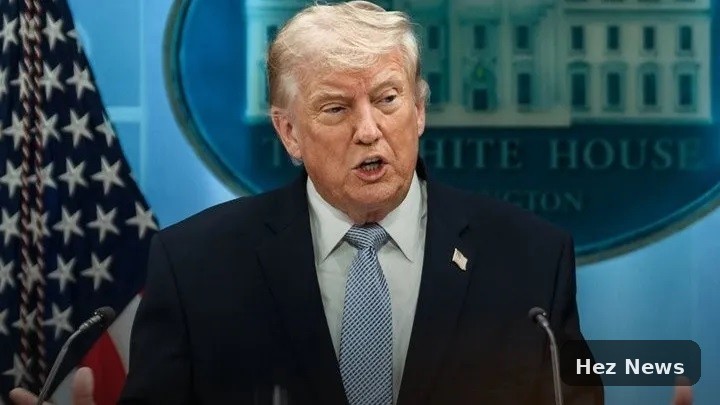
US President Donald Trump has recently emphasized the need for wealthy Gulf nations to take on a greater financial responsibility for their own security. This statement comes in the context of the United States' long-standing role in defending this strategically critical region. Trump's remarks highlight a growing sentiment within the American administration regarding the economic burdens of international defense.
Understanding the Context
The Gulf region has been a focal point of US military presence for decades, primarily due to its vast oil reserves and geopolitical significance. As tensions continue to simmer in the Middle East, particularly with Iran, the question of who should bear the costs of security has become increasingly pertinent.
President Trump has pointed out that the financial contributions from Gulf states have not kept pace with the level of protection provided by the US military. He argues that these nations should step up and reimburse the US for its defense expenditures, which he believes would lead to a more equitable partnership.
The Reaction from Gulf Allies
Trump's comments have elicited varied responses from Gulf leaders. While some acknowledge the need for increased financial contributions, others are wary of any implications that suggest a withdrawal of US support. Given the historical alliance between the US and Gulf states, particularly Saudi Arabia, the dynamics of this relationship are complex.
Moreover, this issue resonates beyond the shores of the Gulf, as it aligns with broader discussions about security funding and military expenditure globally. For nations like Nigeria, which also grapples with security challenges, the conversation around equitable burden-sharing in defense efforts is particularly relevant.
Nigeria's Perspective
In Nigeria, where security remains a pressing concern due to insurgent activities and banditry, the implications of Trump's statements may serve as a wake-up call. As Nigeria continues to seek international support and partnerships for its defense initiatives, the idea of financial contributions from allies may become a topic of discussion.
Additionally, the Nigerian government may need to reflect on its own defense spending and the role of international partnerships in enhancing national security. With the US as a potential ally, understanding the expectations surrounding financial contributions could shape future diplomatic engagements.
Conclusion
As the discourse around military funding evolves, it is clear that nations must navigate the complexities of defense economics. President Trump's advocacy for Gulf nations to fund US security efforts highlights a significant shift in how international defense responsibilities are viewed. For countries like Nigeria, this could spark a broader examination of their own defense strategies and collaborations.





Leave a Comment