

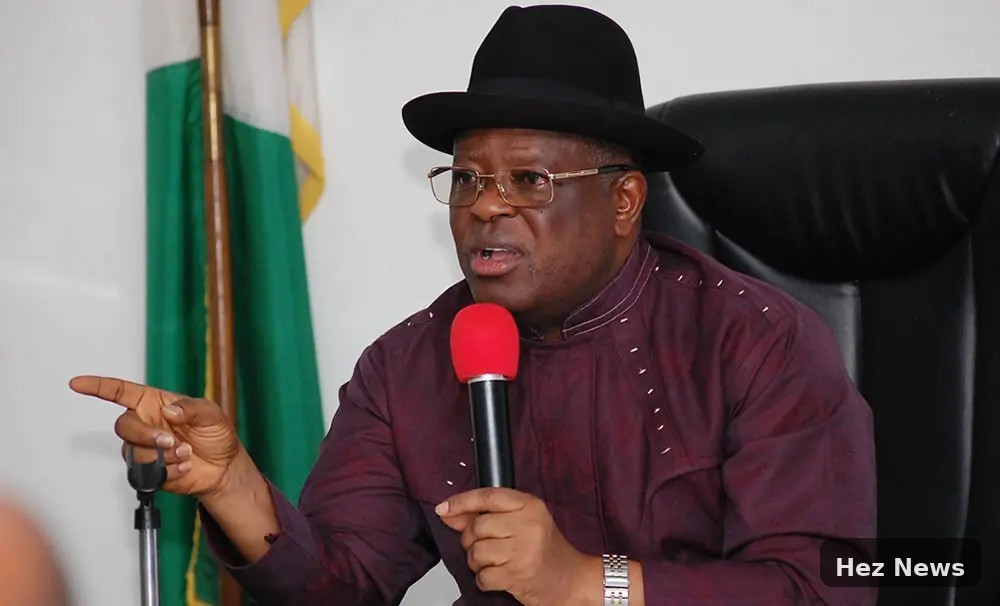
Nigeria's Minister of Works, Dave Umahi, has publicly responded to the comments made by Peter Obi, the presidential candidate of the Nigerian Democratic Congress (NDC). During a recent public engagement, Umahi emphasized that he does not require a presidential candidacy to share his knowledge and insights with the public.
Context of the Dispute
This exchange comes amid heightened political tensions as Nigeria approaches the upcoming elections. Umahi, a prominent figure in the ruling party, has positioned himself as an influential voice in national discourse. His remarks were aimed at addressing criticisms from Obi, who has been vocal about various governance issues in the country.
In his statement, Umahi asserted, “I don’t need to be a presidential candidate to educate you.” This indicates his belief in the importance of sharing knowledge, regardless of political status. The Minister's comments reflect a broader theme in Nigerian politics, where leaders often engage in public debates to influence public opinion.
Reactions from the Political Sphere
The response has generated significant reactions across social media platforms, with many supporters of both politicians weighing in. Some have praised Umahi for his assertiveness, while others have rallied behind Obi, emphasizing the need for constructive criticism in governance.
Political analysts suggest that this exchange is indicative of a larger trend where political figures are increasingly using public forums to debate and articulate their positions directly to the electorate. This approach could be seen as a strategy to engage younger voters who are increasingly active on social media.
The Importance of Political Discourse
As Nigeria gears up for the elections, the importance of political discourse cannot be overstated. With numerous issues affecting the nation, including economic challenges, security concerns, and infrastructural deficits, the need for informed discussions is paramount.
Umahi's comments highlight the role of politicians as educators, a concept that resonates with many citizens who seek clarity on governance issues. In a country where misinformation can easily spread, such dialogues may serve to enlighten the public and foster a more informed electorate.
Conclusion
As the political landscape in Nigeria continues to evolve, the exchanges between figures like Umahi and Obi may shape the narratives leading up to the elections. As they articulate their visions and critiques, it remains essential for voters to engage critically with the information presented.

Leave a Comment