

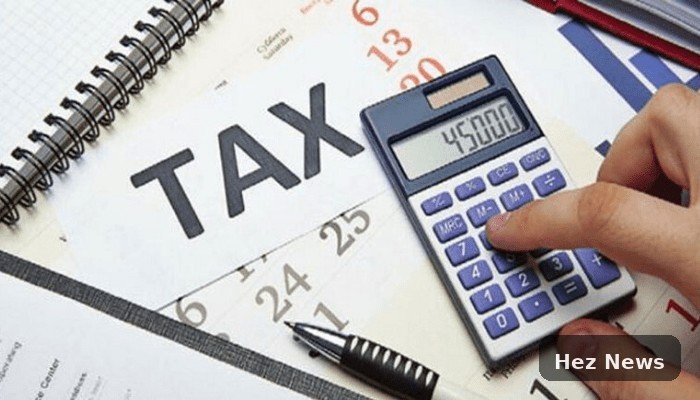
Nigeria's recent tax reforms have sparked concerns among small business owners, who fear that mandatory e-invoicing and stricter enforcement measures will push them further into the informal economy. As the government seeks to increase revenue and formalize the country's tax system, the impact on small and medium enterprises (SMEs) may be profound.
Understanding the Tax Reform Landscape
The Nigerian government has been on a mission to restructure its tax framework to boost revenue generation. This initiative aims to address the significant tax gap that has long plagued the nation, where a substantial portion of economic activity occurs outside the formal tax system.
According to recent reports, the introduction of e-invoicing is a key component of these reforms. While aimed at enhancing transparency and efficiency, many small business owners view this as an additional burden. The requirement to adopt digital invoicing can be particularly challenging for businesses that lack the necessary resources and technological know-how.
Challenges Facing Small Businesses
Many SMEs in Nigeria operate on tight budgets, and the costs associated with compliance can be overwhelming. The new rules could lead to increased operational costs, which may result in some businesses choosing to operate informally to avoid these expenses.
Furthermore, the stricter enforcement of tax regulations is prompting fears of potential audits and penalties, adding to the stress of managing a small business. As a result, some entrepreneurs may feel compelled to withdraw from the formal sector altogether, thereby exacerbating the issue of informality.
Potential Consequences for the Economy
As more businesses shift to the informal economy, Nigeria risks losing out on vital tax revenues that could be reinvested into public services. This could hinder the government's ability to fund infrastructure projects and social programs, ultimately affecting the broader economy.
Moreover, the informal economy typically lacks regulatory oversight, which can lead to unfair competition and poor working conditions for employees. This scenario poses a long-term challenge for the Nigerian economy, as it may stifle growth and innovation.
Looking Ahead: Finding a Balance
Experts suggest that the government must strike a balance between effective tax collection and supporting the growth of SMEs. This could involve providing training programs to assist small business owners in understanding and navigating the new tax landscape. Additionally, offering tax incentives or simplified compliance processes for SMEs may encourage formalization rather than discouraging it.
Ultimately, the success of Nigeria's tax reforms will depend on the government's ability to engage with small businesses and address their concerns. By fostering a supportive environment, it is possible to achieve the dual objectives of increasing tax revenue and promoting economic growth.





Leave a Comment